The conversation around B2B data security is no longer about having a backup, but about whether your backup actually works when you need it most. Data backup and disaster recovery solutions were once seen as “set it and forget it” tools, but this is no longer the case. In reality, your data backup strategy is much more complex, and if you fail to give it the attention it deserves, it could result in an extinction-level event for your business.
Phantom Technology Solutions Blog
Prevention is better than a cure, as it prevents your business from ever experiencing the problem in the first place. This is especially true for your technology. When businesses invest in IT, they can do so for one of two reasons: they are repairing problems that are costing them in downtime, reputation, and capital, or they are actively preventing those problems through smart implementation of IT. Which side do you want to be on?
We offer preventative services that can help you control the cost of your IT solutions like never before, and here’s how we do it.
Be honest: Do you have a real plan for the day your server goes dark? We're not talking about a little glitch—we mean a full, sudden stop due to a failed disk, a nasty strain of ransomware, or an accidental keyboard slip. For too many businesses, the "plan" is just that dusty external drive they plug in at closing time. This isn't a strategy; it's a prayer, and one that will go unheard when you need it most.
That false comfort is your biggest IT blind spot, because if a simple copy-paste job was enough, we wouldn't see businesses vanish after a single data incident. Stop crossing your fingers and let's get you a recovery plan that actually works.

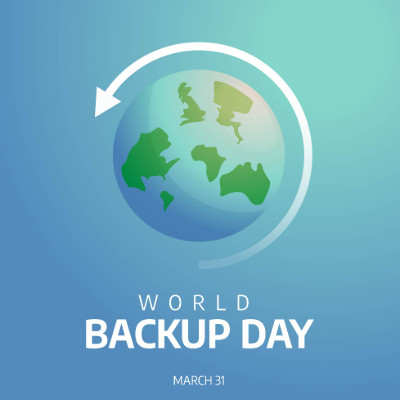
Your business runs on data. You keep customer information, invoices, project files, inventory and much more. If you were to lose it, you face a myriad of problems from hits to your reputation to major downtime. Today is World Backup Day, so we thought it would be good to highlight just how important having a feature-rich and reliable backup strategy is.
Tape backup used to be the go-to backup solution for businesses, but it’s since lost its luster in favor of digital backup solutions. You might still find some uses for it, if you find a good enough excuse. Today, we want to examine why you might still use tape backup, even though a Backup and Disaster Recovery (BDR) solution far outshines it.
We cover data backup and disaster recovery quite a bit, and you might be familiar with some of the terms and strategies we discuss. Today, we’re taking a deeper dive into the 3-2-1 rule and its crucial role in your business’ disaster recovery plan. Let's explore how the 3-2-1 rule can strengthen or weaken your data infrastructure.
There is an almost comical laundry list of problems that all businesses should be prepared for, but what’s not funny whatsoever is what happens when you fail to do so. The term “BDR” is often used as an umbrella term to describe what kind of preparation your organization needs, and today, we want to dive into some of the details that you should know.
Tape backup has been used for a long time, and it was once the most prominent solution for data backup out there. Nowadays, it’s not used much at all, mostly in favor of better and more convenient solutions. However, there has been a slight resurgence in tape backup, so we want to look at why some companies might still use it, despite its flaws.
Data and technology drive modern business, and as such, data backup and disaster recovery are crucial to the continued success of any organization. There is so much at risk that it would be counterproductive to ignore these unforeseen disasters. Disaster Recovery as a Service, or DRaaS, is an effective way to combat the omnipresent threat of data loss.
Technology is center-stage in today’s business world, and when all it takes is a disaster to end operations for many businesses, it suddenly becomes incredibly important to have contingency plans in place… you know, just in case. Let’s go over how you should build an effective disaster recovery plan, as well as how to assess your company’s needs.
We focus pretty heavily on data backup as an important solution that all businesses should use, and for good reason. It can be all the difference between losing your business’ future or preserving it. We know you don’t like to hear it, but investing in a proper data backup solution is well worth the cost, even if you never have to use it.
If you’ve spent any amount of time around us, you’ve probably had the importance of data backup and disaster recovery preparation preached to you—probably more than once. However, as closely associated as the two are, they are not the same. Let’s explore the critical differences between these two processes so you can be fully prepared to attend to both.
Data backup is something that all businesses need in some capacity. The reasoning for this is simple: you can never predict the future, so your business’ life is never guaranteed… unless, of course, you plan for the worst. Today we want to share with you some best practices as they relate to data backup and disaster recovery, practices which we hope will give you the confidence that you can recover from even the worst-case scenarios.
You need to be sure that your business is prepared for disaster, which will necessitate a disaster recovery plan. While there are many steps that go into creating one, we wanted to highlight a few in particular and outline a few best practices to follow for each. Here are three of the most vital elements of a successful business continuity strategy, with a few tips to help you fulfill them most effectively.